Parotta
South Indian • Vegetarian
How to Make South Indian Parotta (Traditional & Healthy Version)
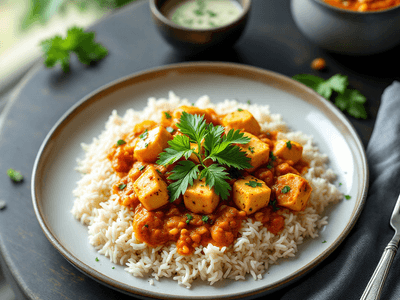
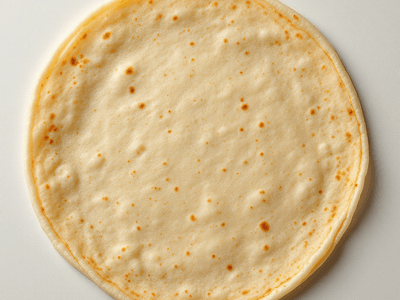
Parotta, a beloved South Indian snack, traces its roots to the bustling streets of Tamil Nadu, where it is enjoyed as a staple at roadside eateries and family kitchens alike. This flaky, layered flatbread is distinct from its North Indian cousin, the paratha, thanks to its unique preparation technique and irresistible texture. Traditionally served with spicy kurma or vegetable stew, parotta is cherished for its comforting taste and satisfying chew. In Tamil culture, parotta is often shared during celebrations, adding warmth to gatherings and festivals. While classic parottas are made using refined flour (maida) and generous amounts of oil, our healthier version uses whole wheat flour (atta) to boost fiber and nutrition without compromising on authenticity. The layers are achieved through careful folding and rolling, creating a soft, flaky texture that pairs beautifully with South Indian curries. Making parotta at home is a rewarding experience, connecting you to the region's culinary heritage while allowing you to enjoy this iconic snack guilt-free. Whether for breakfast, lunch, or as an evening treat, healthy parotta brings a taste of Tamil Nadu to your table.
Ingredients(for 2 parottas)
- 1 cup Whole wheat flour (atta)
- 1/2 cup Warm water (for kneading)
- 1/2 tsp Salt (to taste)
- 2 tbsp Olive oil (or any neutral oil)
- 2 tbsp Low-fat yogurt (dahi, for softness) - optional
- 1 tbsp Semolina (sooji, for extra flakiness) - optional
- 1 tsp Ghee (for brushing (optional)) - optional
- for dusting Whole wheat flour (as needed)
Instructions
- 1
In a mixing bowl, combine whole wheat flour, salt, semolina (if using), and low-fat yogurt. Gradually add warm water and olive oil, kneading into a soft, pliable dough.
5 minutes
Knead well to activate gluten for flaky layers.
- 2
Cover the dough with a damp cloth and let it rest for 15-20 minutes. This helps the dough become elastic and easier to layer.
15 minutes
Resting is essential for softness.
- 3
Divide the dough into equal balls. Roll each ball into a thin oval using a rolling pin, dusting with flour as needed.
3 minutes
Roll as thin as possible for distinct layers.
- 4
Brush the rolled dough lightly with oil or ghee. Make pleats by folding it like a paper fan, then coil the pleated dough into a spiral.
2 minutes
The pleating technique creates signature flakes.
Why This Dish is Healthy
Choosing whole wheat flour over refined maida increases the fiber content, helping with digestion and blood sugar control. Using olive oil instead of traditional ghee reduces saturated fat, making this parotta heart-friendly and suitable for weight management. The recipe limits excess oil and includes optional yogurt for added nutrition. It's a wholesome, vegetarian snack that fits easily into healthy Indian meal plans, aligning with popular searches for 'healthy roti', 'whole wheat parotta', and 'low-calorie Indian snacks'.
This healthy parotta recipe uses whole wheat flour (atta), which is rich in dietary fiber, complex carbohydrates, and essential minerals such as iron, magnesium, and zinc. The addition of low-fat yogurt adds protein, calcium, and probiotics, supporting digestive health. Olive oil provides heart-healthy monounsaturated fats. Compared to traditional maida-based parottas, this version is lower in refined carbs and saturated fat, making it suitable for balanced diets. Each serving delivers sustained energy, moderate protein, and minimal cholesterol.
Pro Tips
- 💡Tip 1: Always rest the dough for soft, flaky layers.
- 💡Tip 2: Use a hot tawa for best browning and flavor.
- 💡Tip 3: Pleat and coil the dough tightly for maximum flakiness.
- 💡Tip 4: Brush lightly with oil or ghee—don't overdo it.
- 💡Tip 5: Clap parottas while hot to separate layers.
Storage & Serving
Keeps for 6-8 hours at room temperature. Refrigerate for up to 2 days. Reheat on a tawa for best texture.
Best served: Breakfast or Lunch
Nutrition Facts
| Nutrient | Per 100g |
|---|---|
| Energy | 270.0 kcal |
| Protein | 5.2 g |
| Carbohydrates | 49.0 g |
| Total Fat | 13.5 g |
| Fiber | 2.1 g |
| Sugars | 1.2 g |
| Iron | 2.6 mg |
| Calcium | 22.0 mg |
| Sodium | 340.0 mg |
| Potassium | 90.0 mg |
| Cholesterol | 0.0 mg |
| Vitamin A | 10.0 IU |
| Vitamin C | 0.0 mg |
| Magnesium | 22.0 mg |
| Zinc | 0.6 mg |
| Phosphorus | 75.0 mg |
| Vitamin D | 0.0 IU |
| Vitamin B1 (Thiamine) | 0.2 mg |
| Vitamin B2 (Riboflavin) | 0.1 mg |
| Vitamin B3 (Niacin) | 2.1 mg |
| Vitamin B6 | 0.1 mg |
| Vitamin B12 | 0.0 µg |
| Folate | 38.0 µg |